Peter Marks
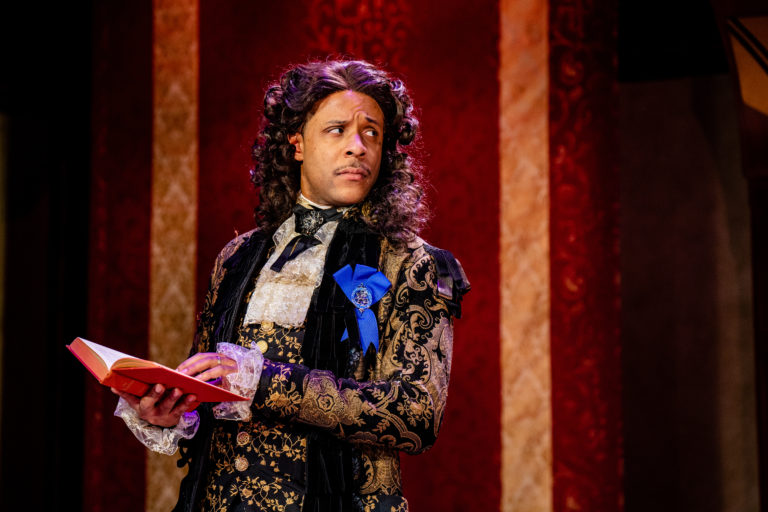
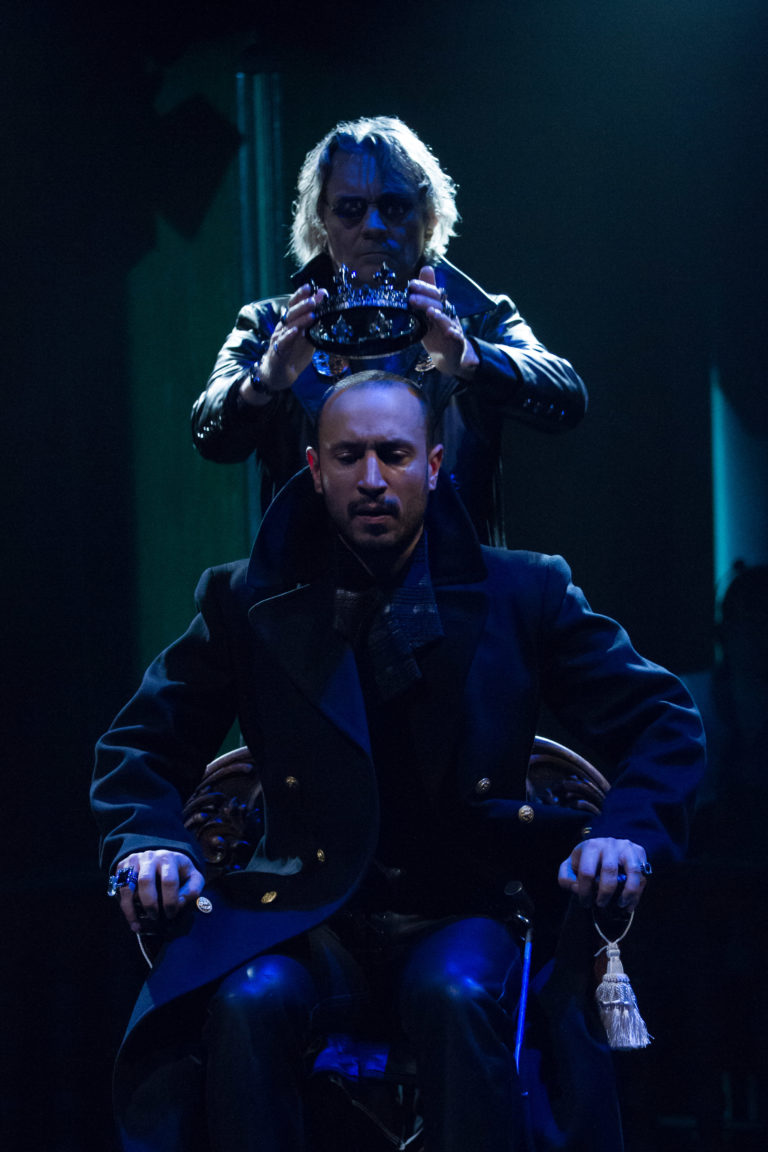
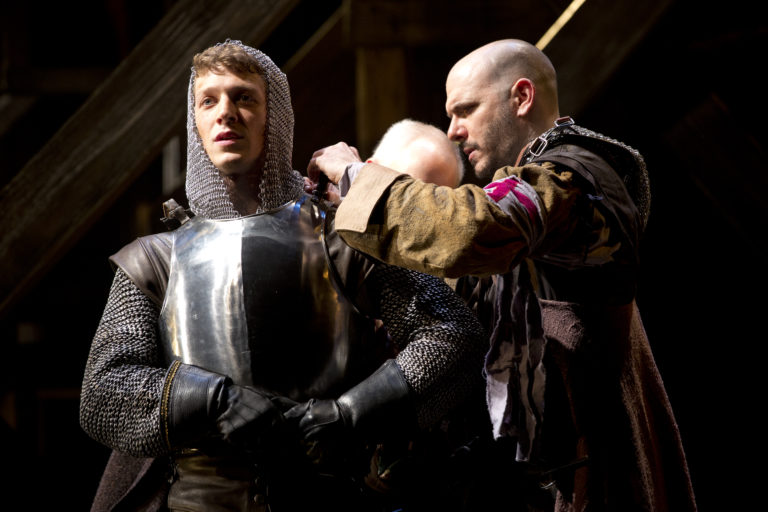
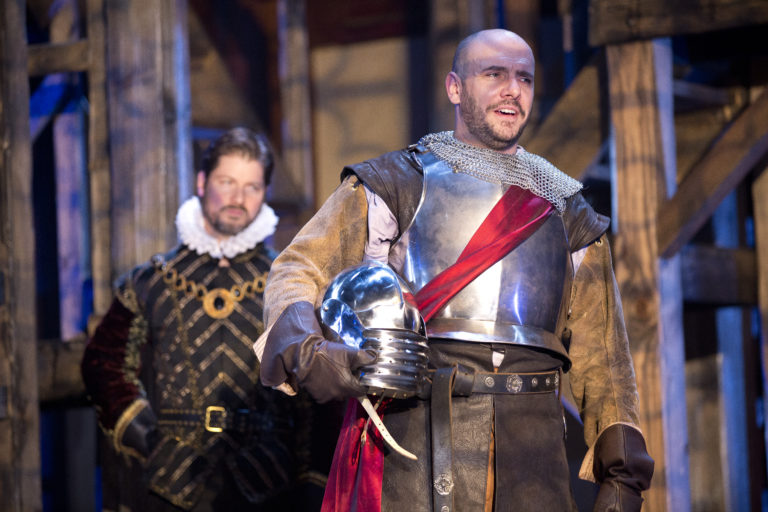
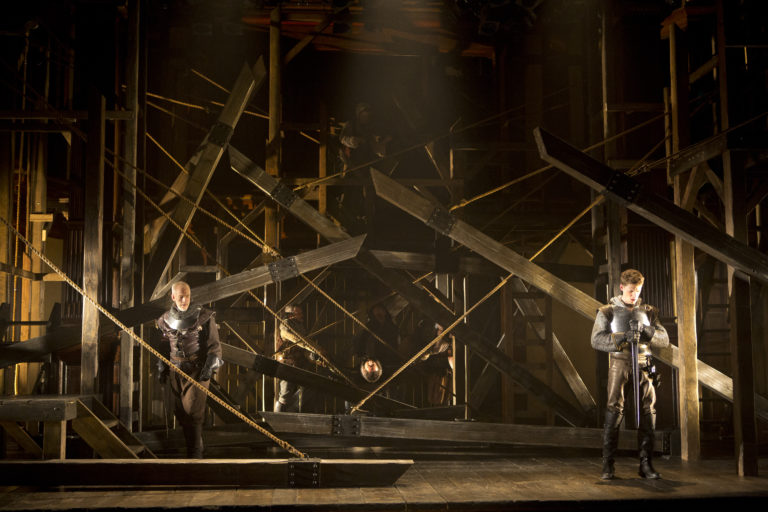
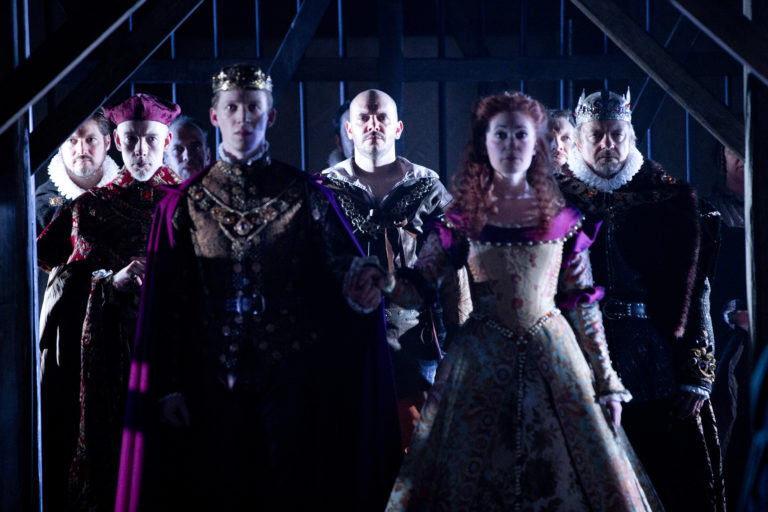
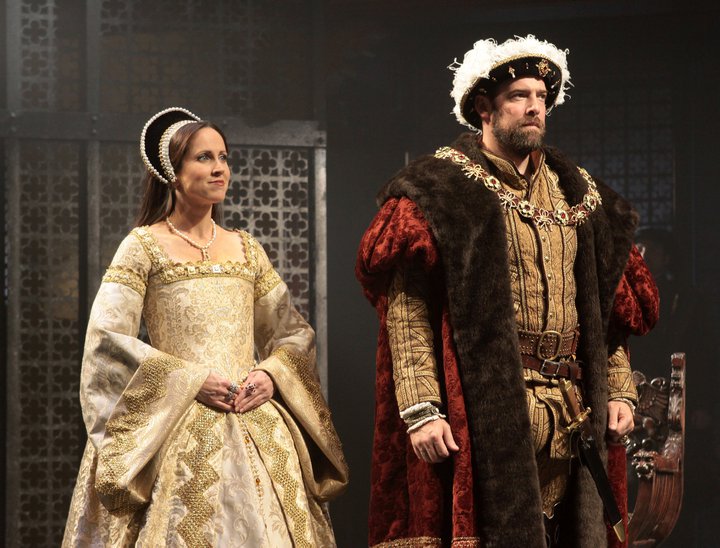
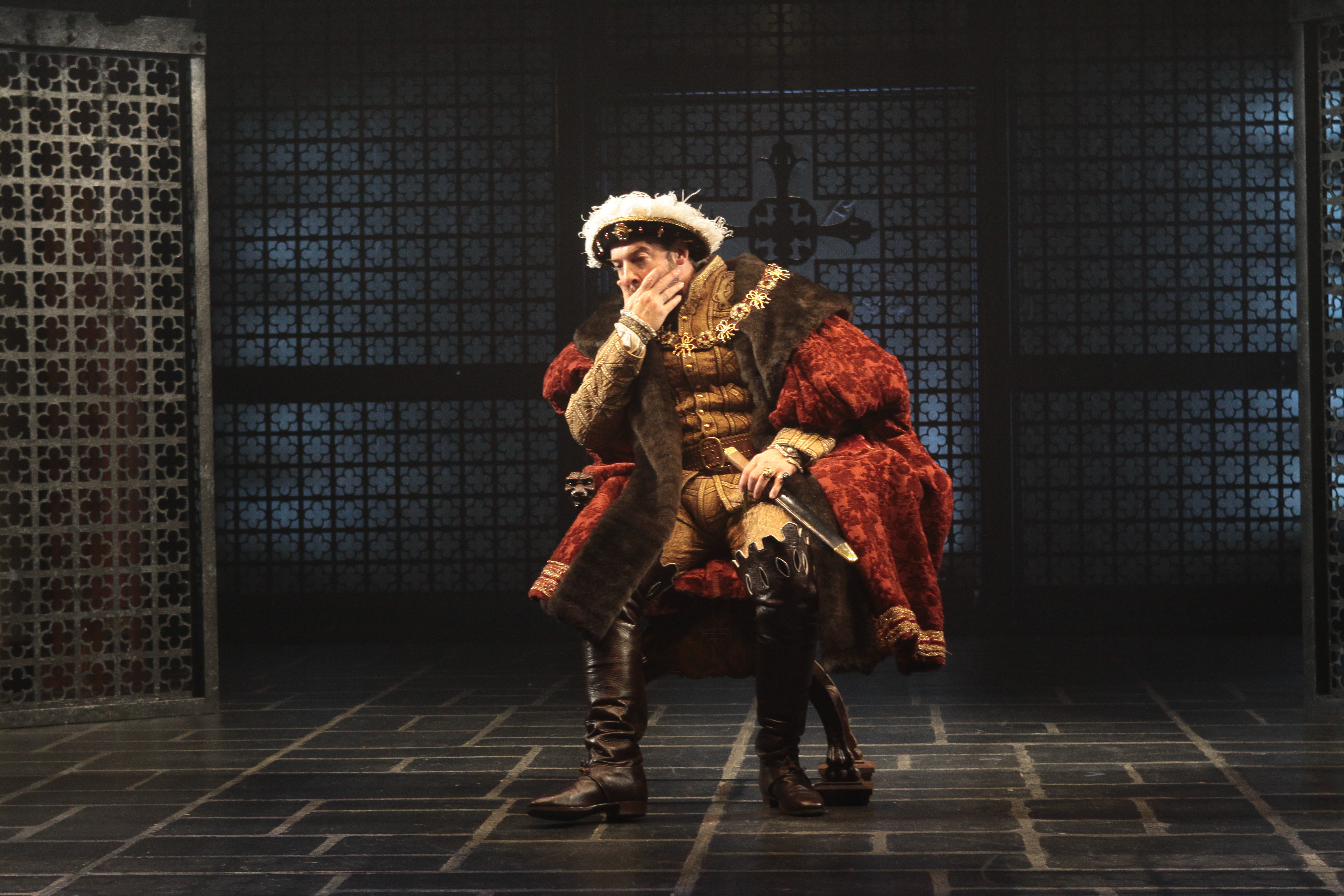
"Henry VIII: A crown jewel - Folger Theatre uses the whimsy of Will S. to lighten the heavy drama - Though Richmond stints on pageantry - the sprawling tapestry is embodied by a mere 11 actors - this Henry VIII is not without its compelling spectacle."
Trey Graham
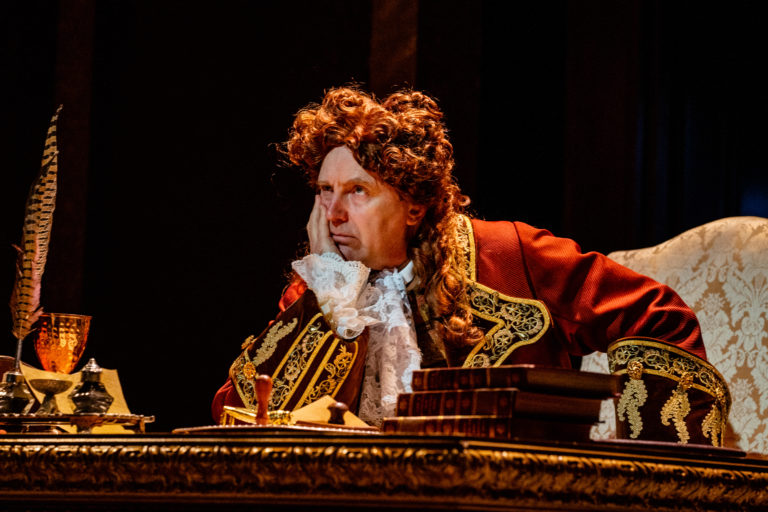
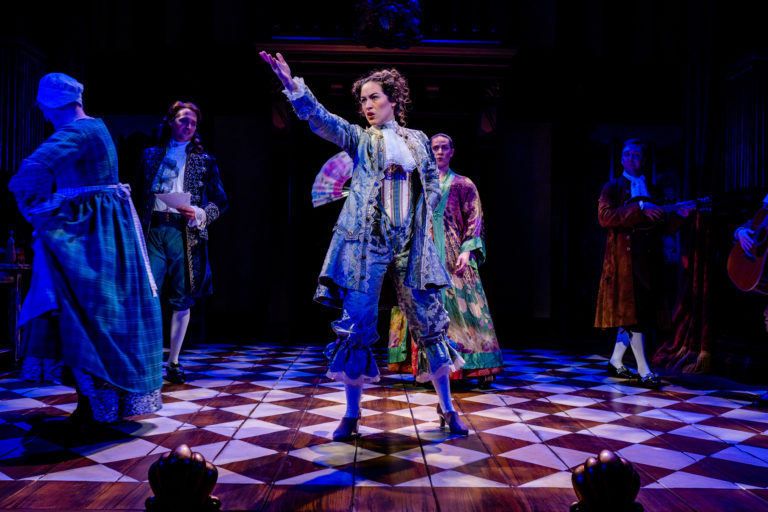
"The production's other great success is the directorial innovation: the deployment of an impish Louis Butelli as Will Sommers, the king's jester, who's not in the original at all, but who here seems as essential as the dynamic underscoring, and as unifying an influence, too."
Peter Marks
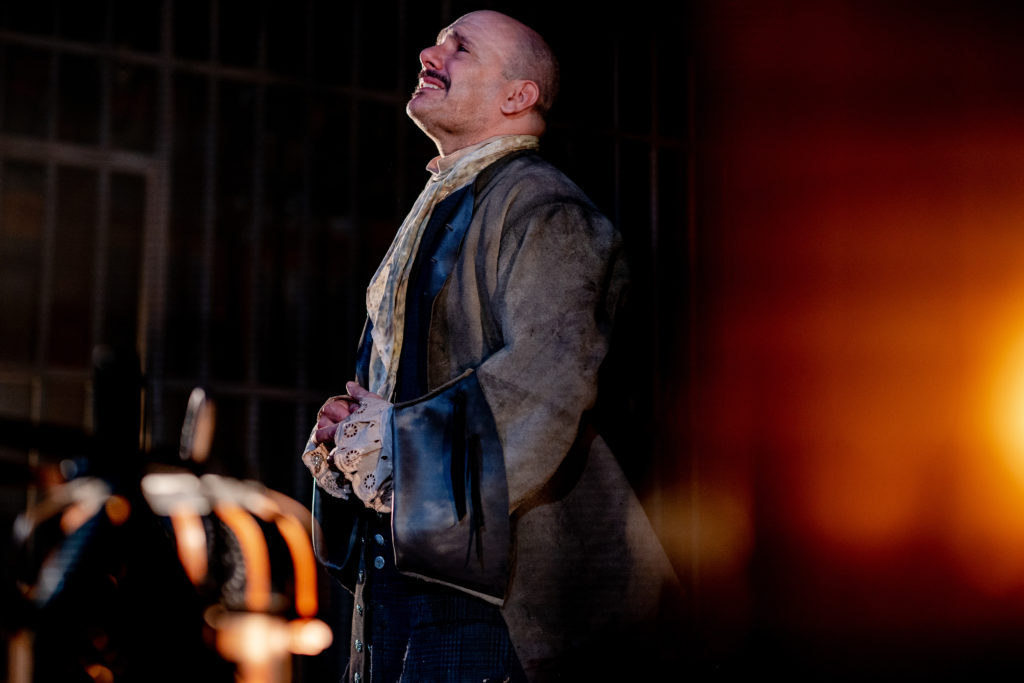
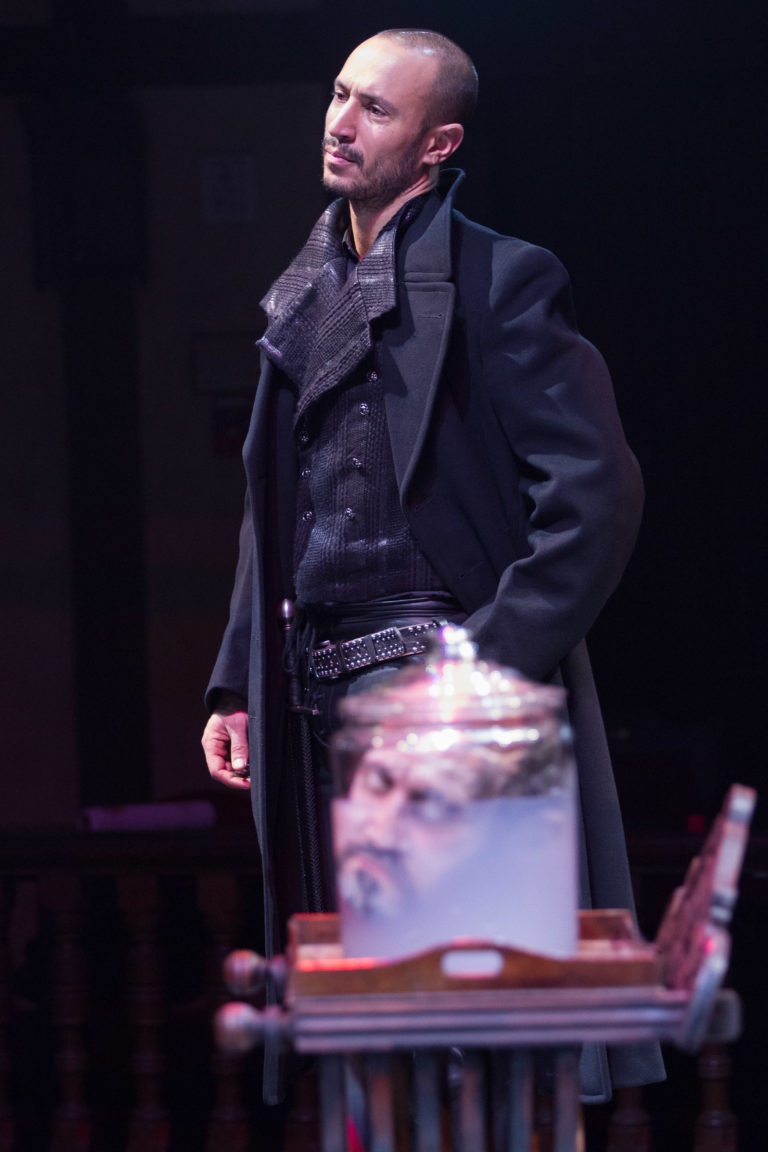
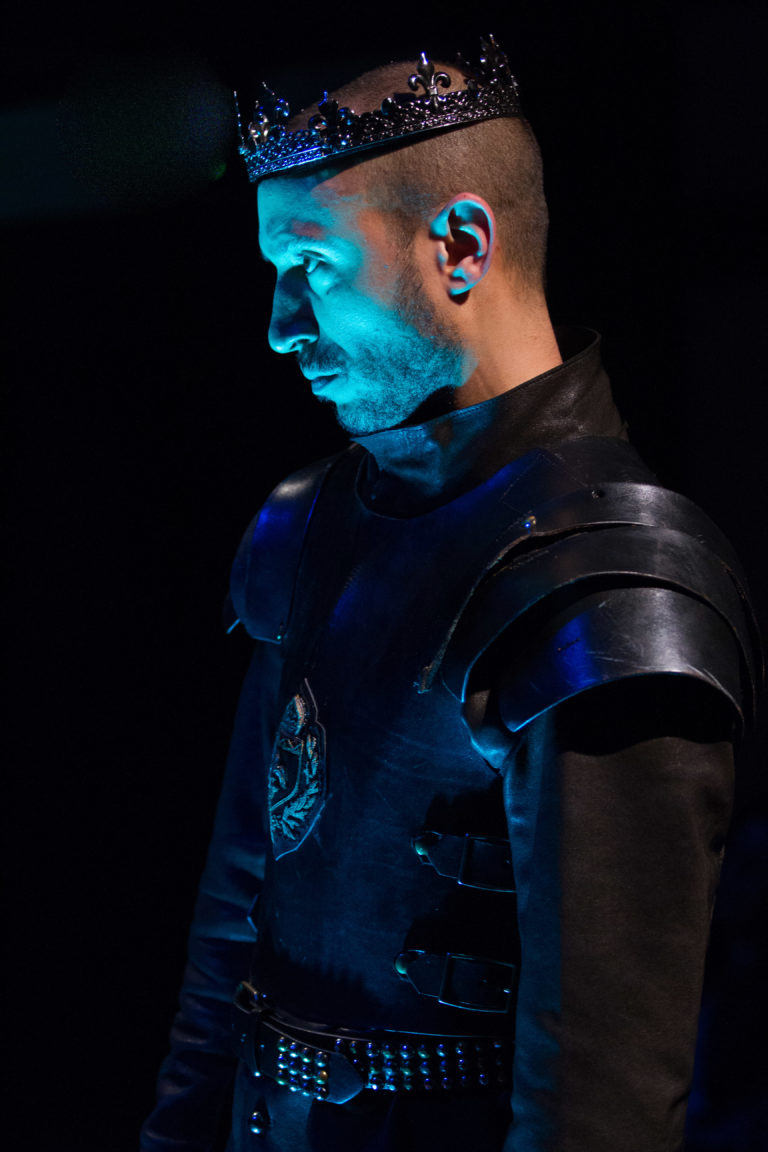
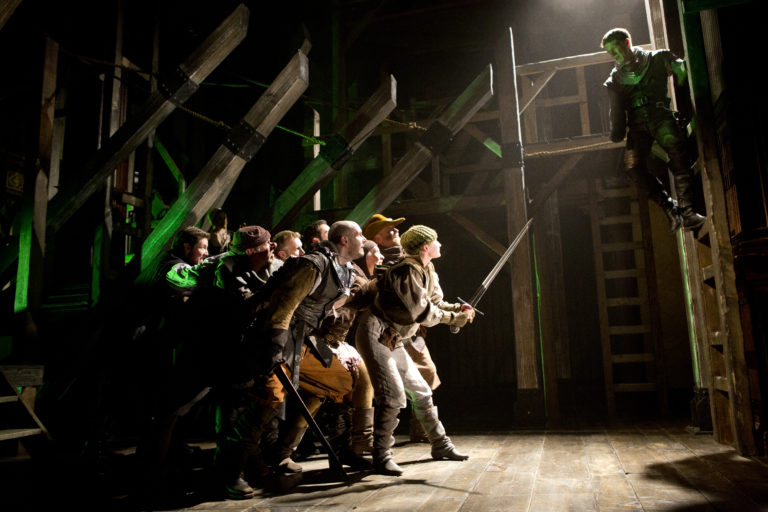
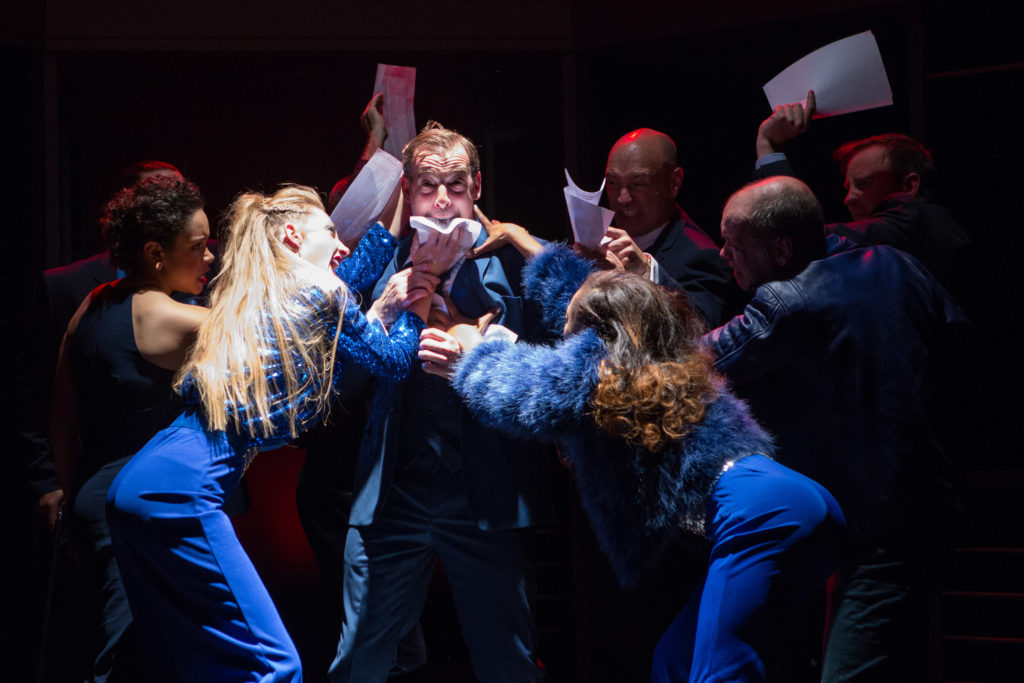
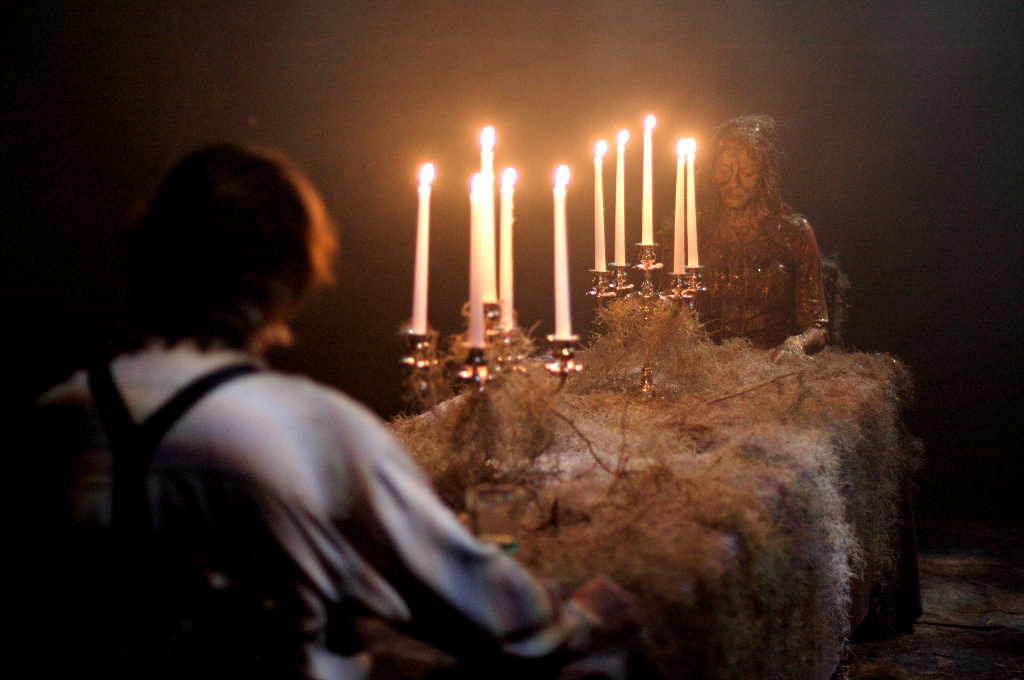
"The most memorable image in either production, however, is a single moment of illumination: the face of Folger's Peakes, outlined in a beam of light, the features fixed in a sick smile. It's the look of depraved triumph, mirrored in the eyes of a detestable character and a smashing actor . . . . a production as sturdy as the one director Robert Richmond constructs at Folger."
Trey Graham
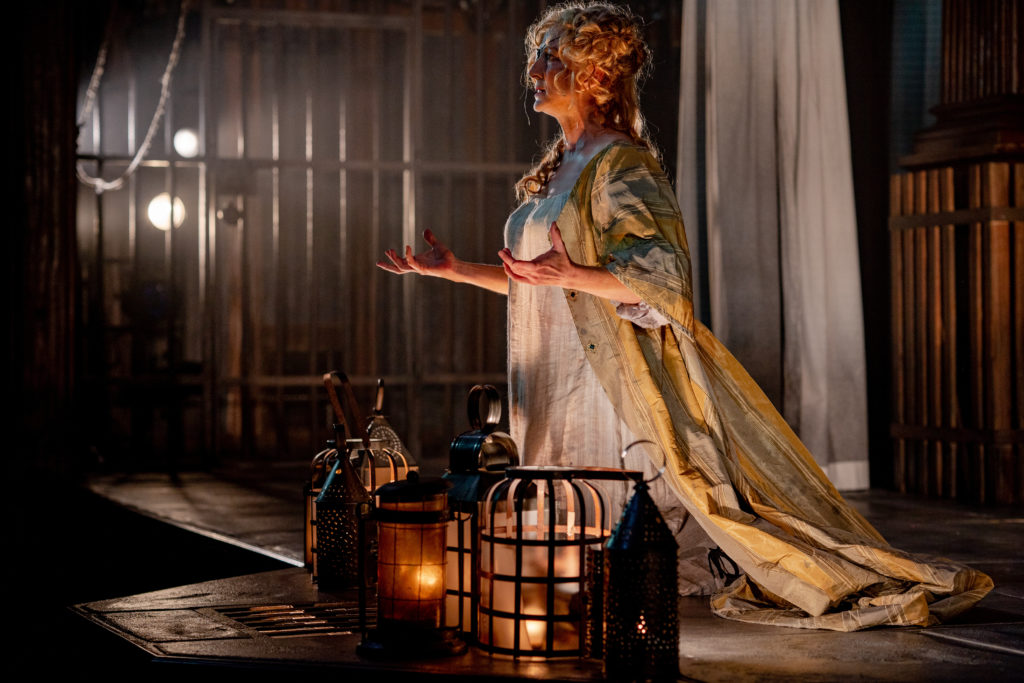
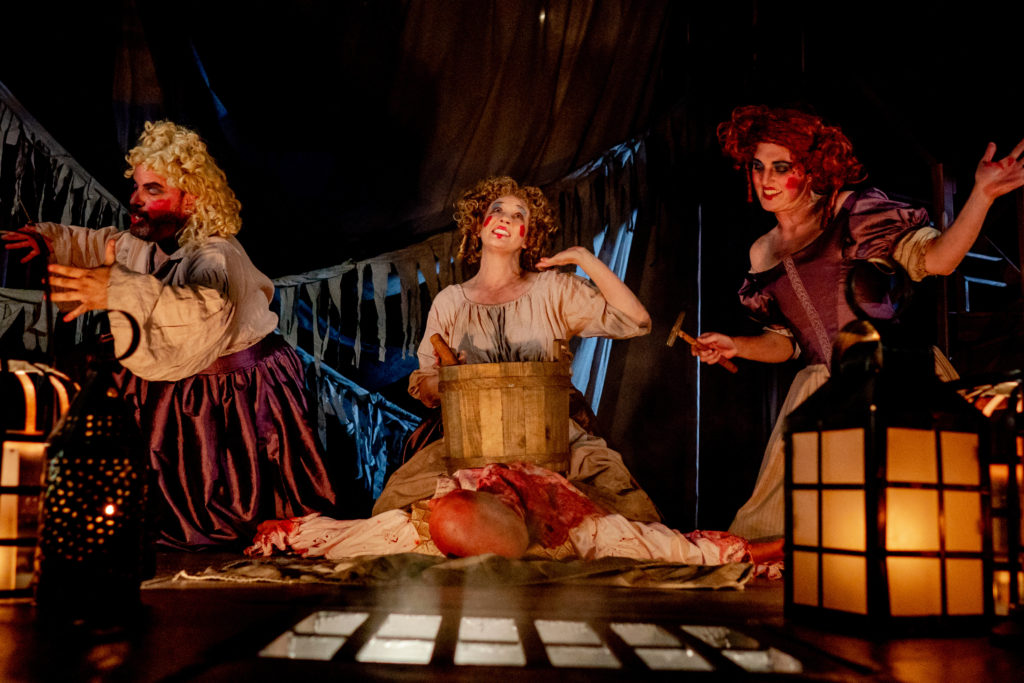
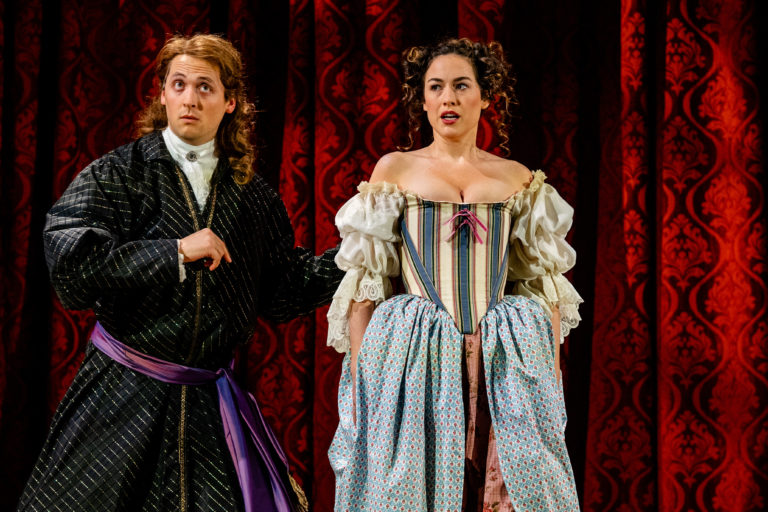
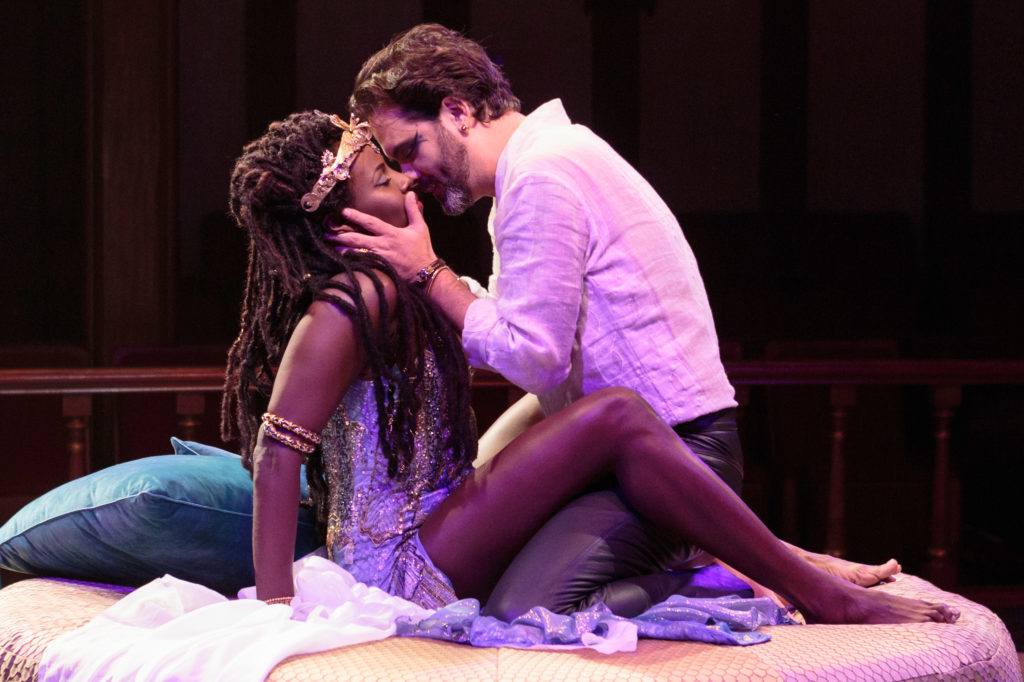
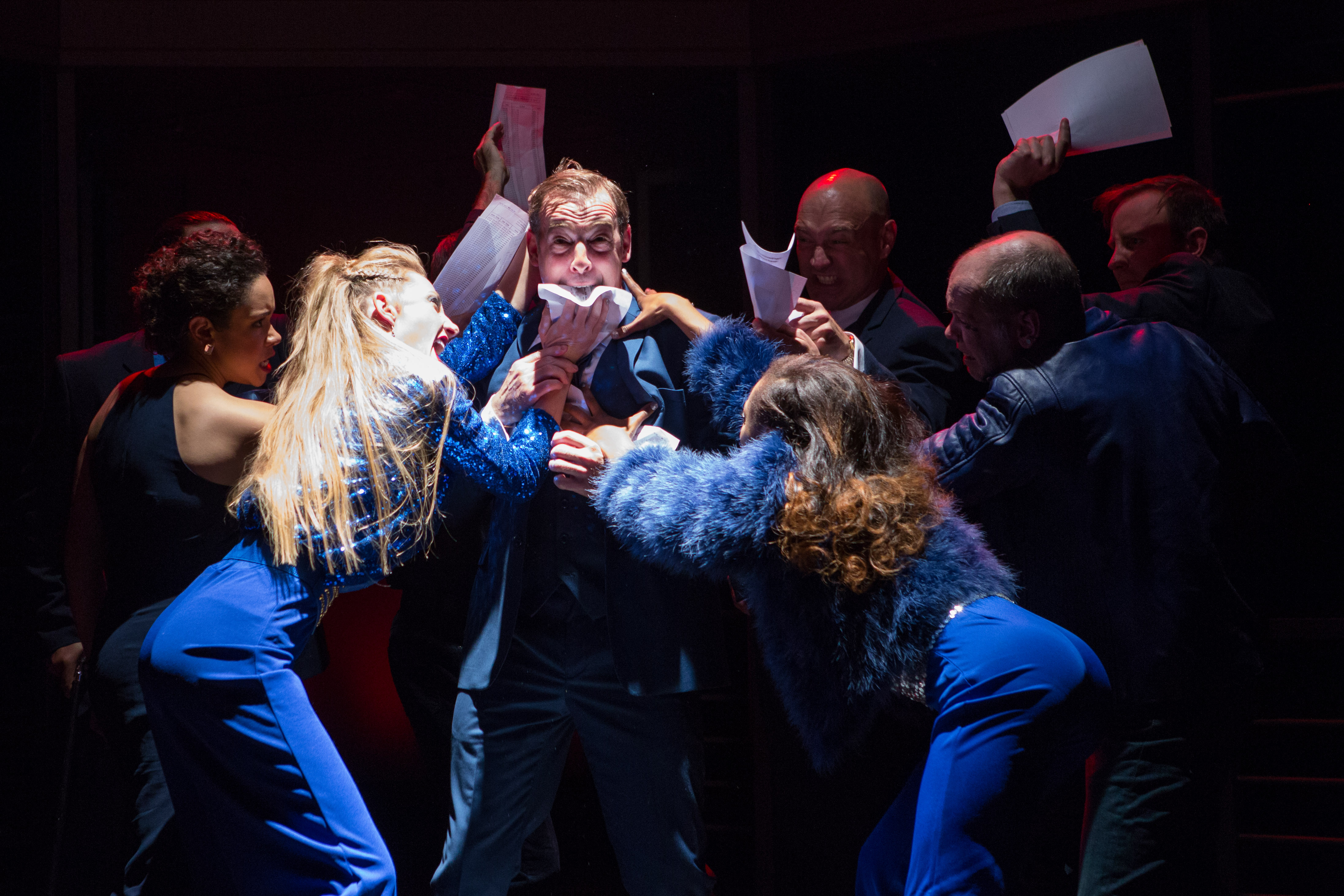
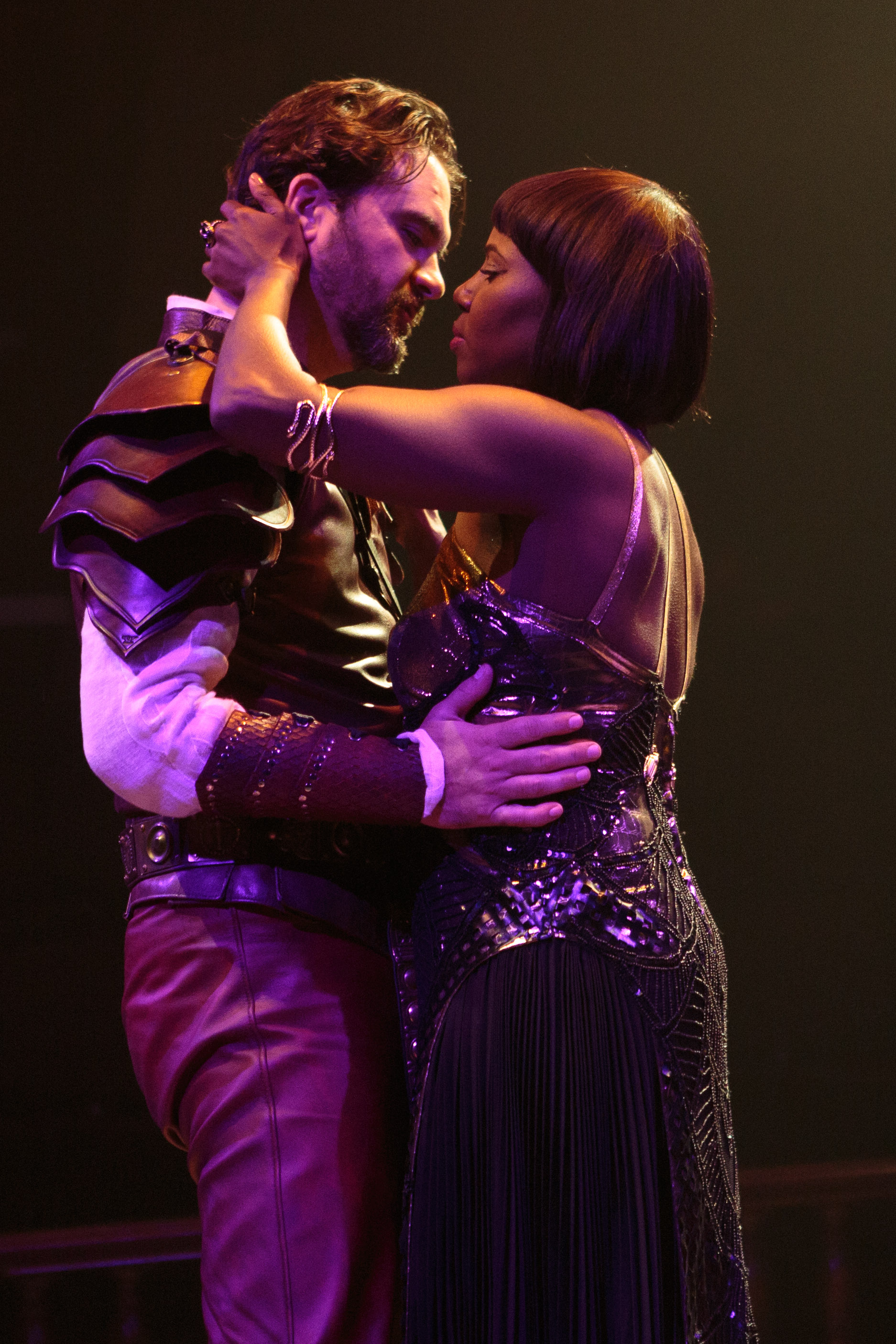
"Richmond, who proved with last year's lip-smackingly satisfying Henry VIII that he knows how to spend a Folger production budget, again enlists costumier William Ivey Long and scenarist Tony Cisek, and the results are quite literally spectacular: The scene changes in the first act alone, as the action moves from bedroom to legislature to shipboard to Cyprus, are worth a Helen Hayes nomination or three."
Jennie Webb
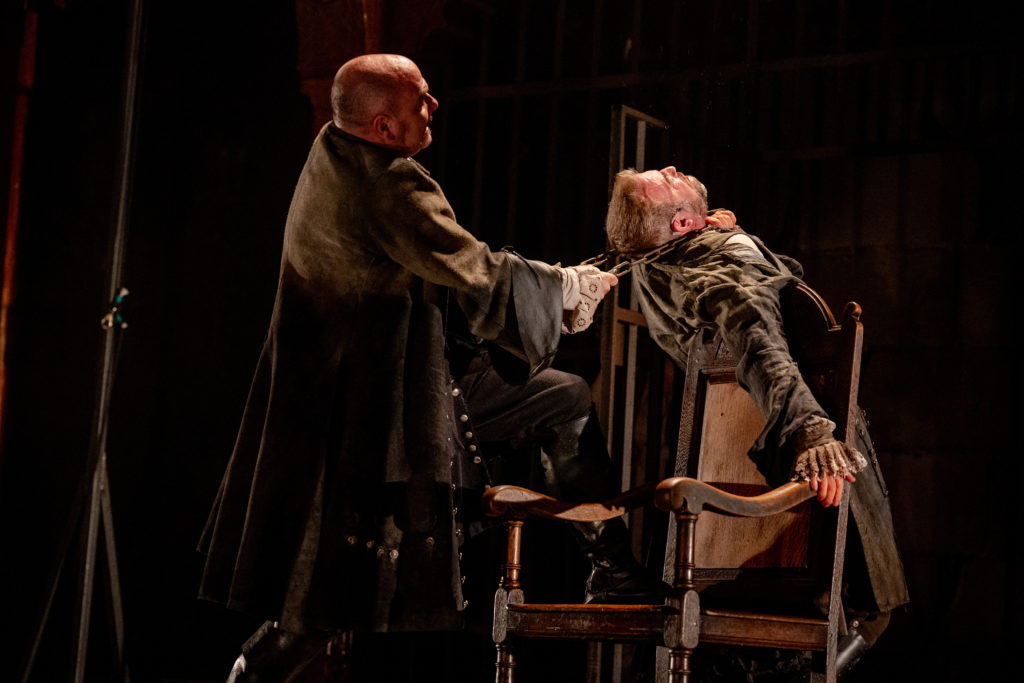
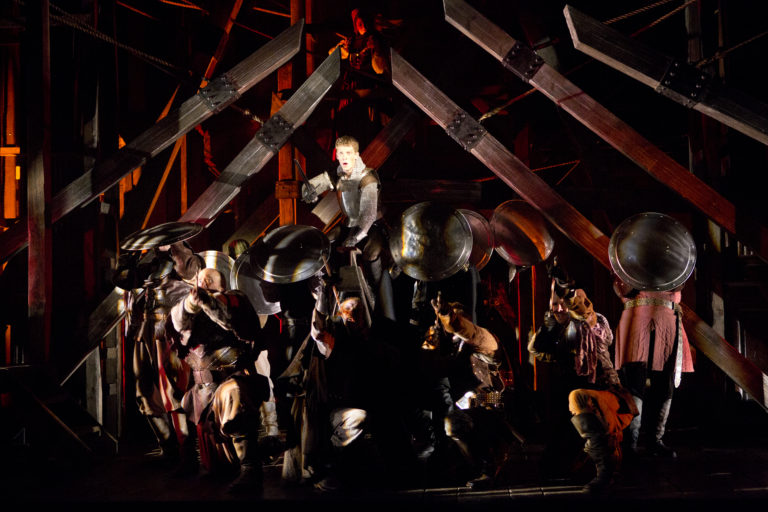
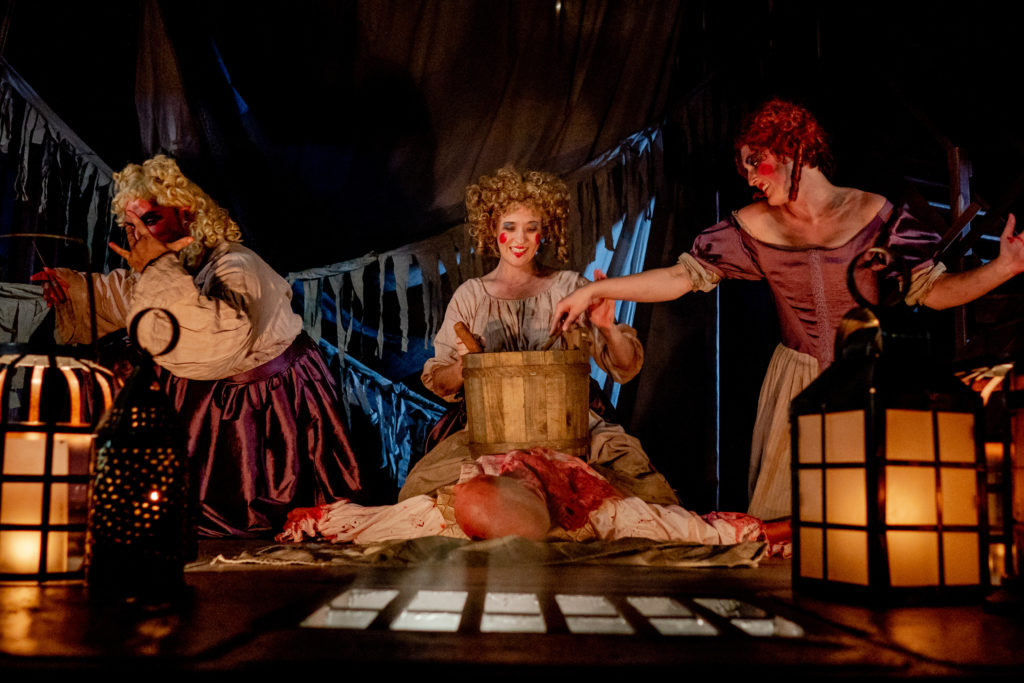
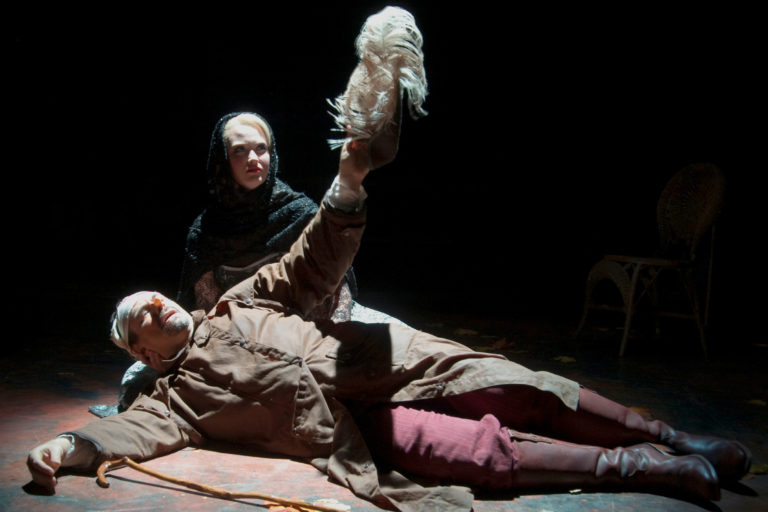
"As director, Richmond's inventive staging with a nine-member ensemble makes for a highly physicalized plunge into the murkiest sort of darkness. It's a frightening and intimate look at the inner workings of plots, doubts, recrimination, and bloody actions."
Steven Leigh Morris
"Every scene of the hour-long piece is a plot against somebody's life or a murder . . . the effect is mesmerizing, culminating in the closing line, that comes in Macbeth right before the more famous 'It is a tale told by an idiot, full of sound and fury, and signifying nothing.'"
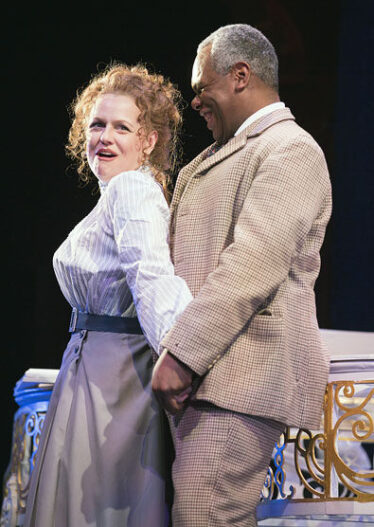
“Robert Richmond (who is also the director), have done a
praiseworthy
job of tweaking Kipling's story to enhance its relevance to the 21st
century.”
LAWRENCE VAN GELDER
“Robert Richmond, is far more blunt, satisfied with skimming
the
surface of the madcap comedy. But just because this broad
interpretation lacks subtlety does not mean that it's not effective, in
its way.”
JASON ZINOMAN
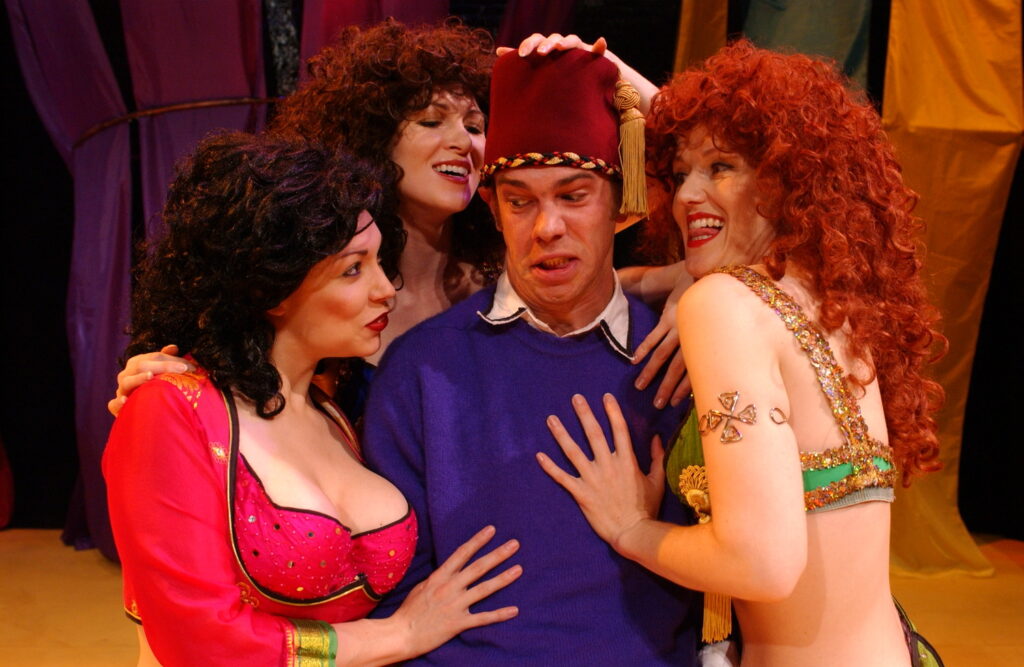
“The members of the cast, directed with inspiration by Robert
Richmond,
appear to be having almost unbearable fun onstage.”
ANITA GATES
“You have not lived until you've heard the ''Sigh no more'' speech
sung, with a dancing backup group repeating, ''Hey nonny nonny.''
ANITA GATES
‘Mr. Richmond, has adapted the script as well as directed this
production, and he sets a high standard for charm and invention in his
opening sequence, which has a precociously witty feel.’
BRUCE WEBER
‘The production, adapted by Mr. Richmond, is a ribald and farcical
interpretation that rankled some New York critics. And it has, at
times, collided with the rock-ribbed piety of the conservative
Southwest.’
CHRIS HEDGES
‘It's the kind of high-energy effort that encourages the
audience to
hoot and holler’
BRUCE WEBER
‘Seven actors and the director, Robert Richmond, conceive it in terms of the Normandy invasion during World War II. With no props but combat gear and four metal boxes the size of steamer trunks they create Olympus, a storm-tossed armada, altars in temple sanctuaries and the beaches before Troy strewn with corpses and wrecked ships.’
‘The action, illustrated with comic-book clarity, proceeds at
a
rollicking clip.’
Charles Mcnulty
‘Oh What a Lovely War, written by Joan Littlewood and beautifully directed by Robert Richmond, is one of those rare and wonderful evenings of theatre that is so exciting you almost have to see it to believe it.’ ‘after Richmond's fabulous As You Like It last spring, I wondered if he could strike gold again. He has delivered platinum!’ ‘Imagine Moulin Rogue meets All Quiet on the Western Front’
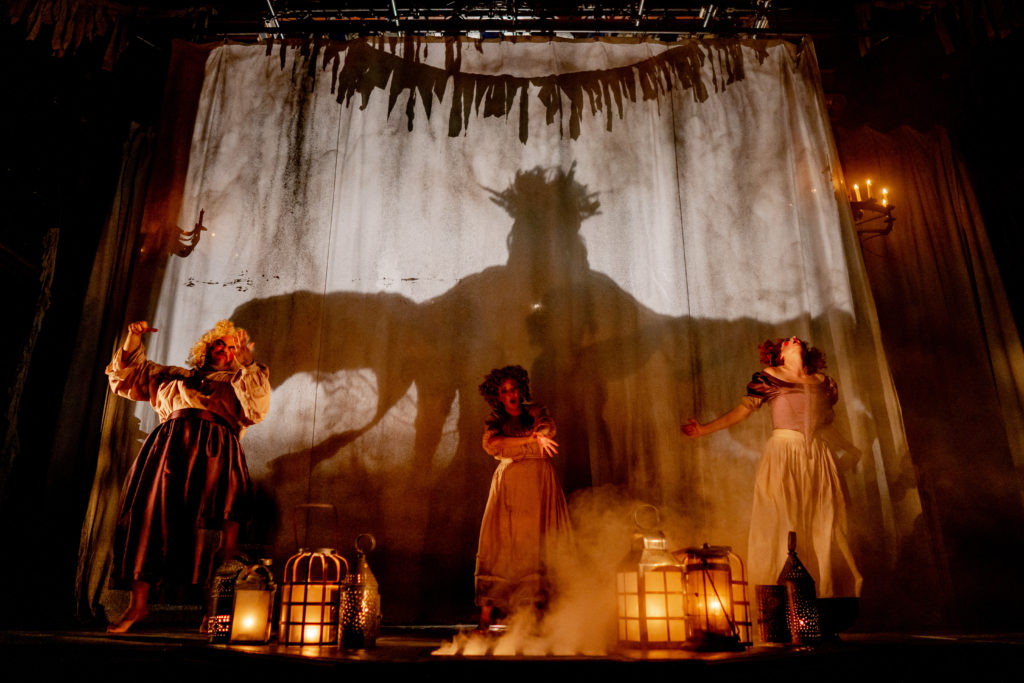
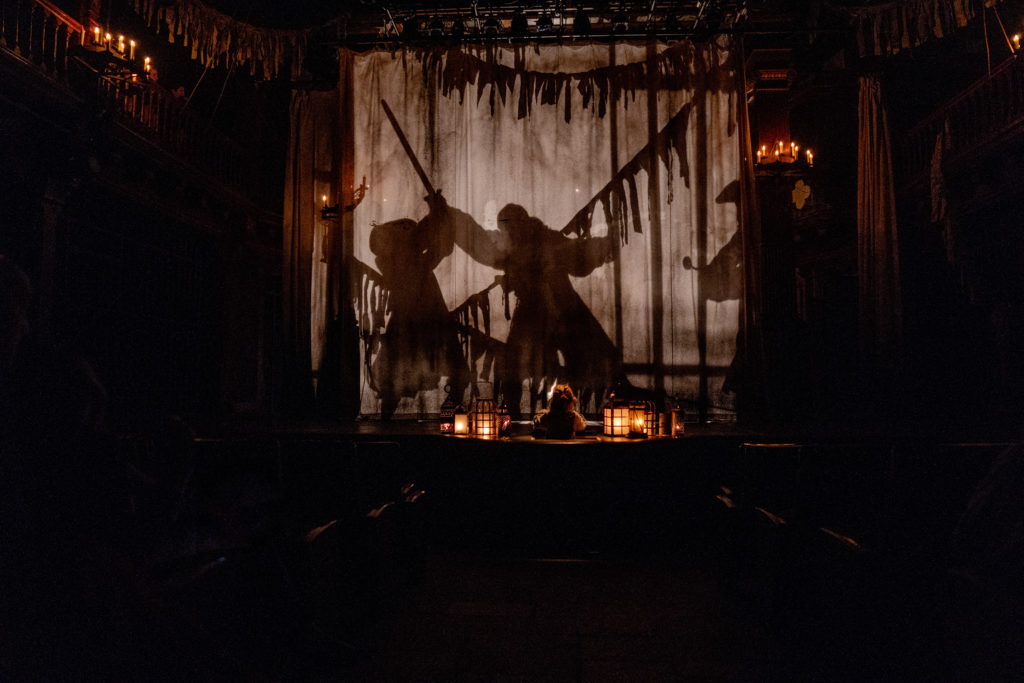
“With truly floating daggers, larger-than-life shadows of
demonic
witches, people seemingly standing on the wall ten feet above the
ground . . . . “
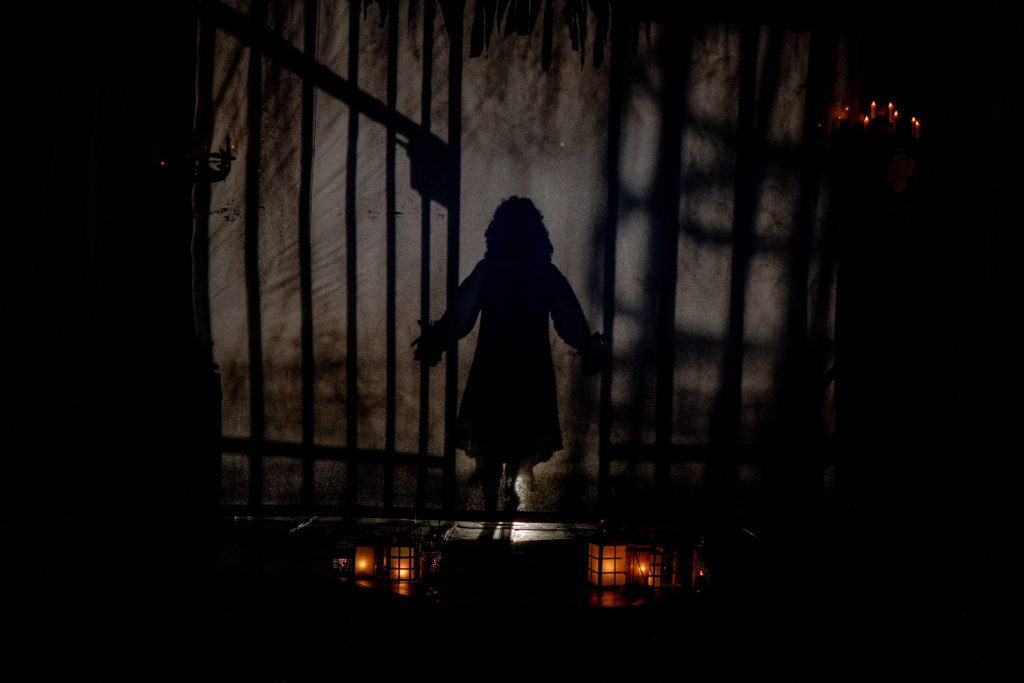
“the fast lighting work made each scene almost cinematic, in that there
were multiple panels of action vying for attention, instead of one
landscape bound by three realistic dimensions.”
"A Tale Told by an Idiot," the effects were dark, poignant, thought
provoking and visually stunning.